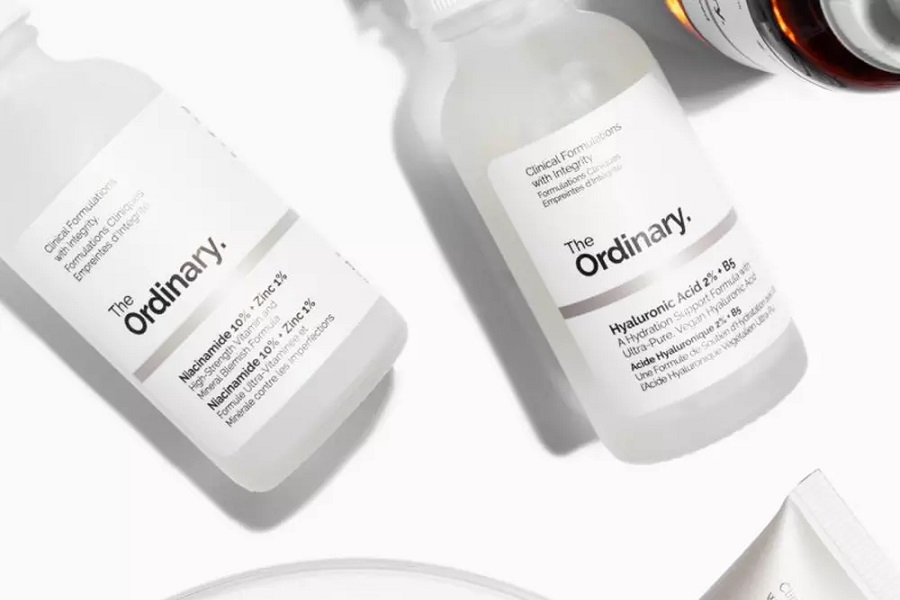
Em agosto de 2025, a The Ordinary, marca canadense de skincare, lançou seus produtos no Brasil, exclusivamente através dos apps e lojas da Sephora. O anúncio da chegada da marca ao Brasil foi marcado pelo reforço do apelo da marca a produtos acessíveis e eficazes, garantindo competitividade de preço dentro do mercado brasileiro numa categoria de alta concorrência.
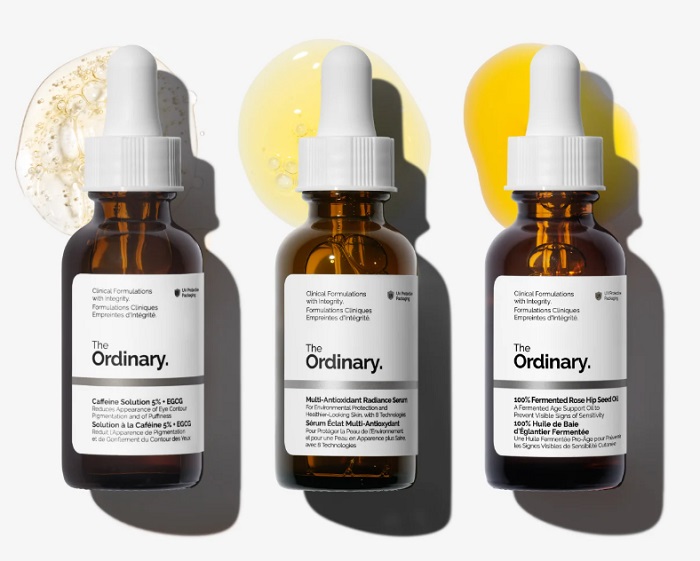
Diferencial da marca
A The Ordinary foi fundada em 2016 e desde então mantém uma forte abordagem em valorizar os ativos de skincare, com foco em ciência e dispensando altos investimentos em grandes celebridades para seu marketing, baseando sua estratégia em especialistas, dermatologistas e criadores de conteúdo com conhecimentos científicos.
Neste ano em uma das ações da marca que foram destaque para reforçar essa comunicação, a vitrine de sua loja em Nova Iorque foi inundada por pilhas de dinheiro e a frase estampada no vidro ”Este seria o valor que teríamos que adicionar aos nossos produtos se pagássemos pelo endosso de celebridades“ em tradução livre.
A marca faz parte da DECIEM – The Abnormal Beauty Company, grupo em que a The Estée Lauders Company é sócia majoritária e que vai controlar as operações da marca em solo brasileiro.
Para garantir os preços competitivos e manter a eficácia dos produtos, o Brasil é o primeiro país a produzir localmente grande parte do portfólio, junto a parceria da The Estée Lauder com a Intercos Group.
Em entrevista para a Vogue, Nicola Kilner, CEO e co-fundadora da marca, destaca que “uma das maiores preocupações era manter a faixa de preço quando chegássemos. Por isso, o Brasil será o primeiro país a ter uma produção local de tantos itens.”
E os preços acessíveis se confirmaram: a Niacinamida da marca, um dos produtos mais famosos, chegou com preço a partir de R$ 59 (30ml) e outros itens best-sellers como o tônico esfoliante Glycolic Acid 7% a R$ 129 (240ml) e a máscara para peles acneicas Salicylic Acid 2% a R$ 179 (50ml).
Além disso, em entrevista em um podcast para a Steal The Look, a gerente de comunicação científica da marca destacou o fortalecimento da sua comunidade e destacou o desafio de se trabalhar em um país continental com diferenças culturais e muita competitividade pelo preço.
Alta concorrência no mercado brasileiro
Apesar da marca ter se lançado no mercado mundial há quase 10 anos, no Brasil a marca vai encontrar um mercado muito mais consolidado em conhecimento de ingredientes que compõem os cosméticos e uma concorrente direta.
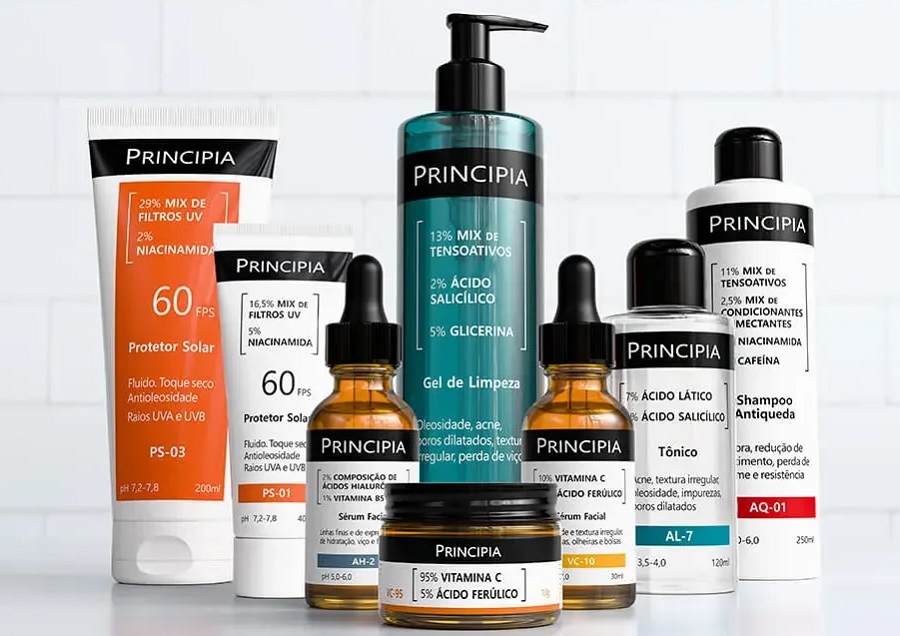
A Principia, conhecida também pelo seu foco em ingredientes e embalagens minimalistas já detém uma grande participação no mercado de skincare brasileiro, trabalhando nas mesmas bases de comunicação digital e com uma extensa rede de influenciadores digitais, o que acabou popularizando esse tipo de comunicação nas redes sociais e vem expandindo fisicamente através de outros canais físicos como o varejo farma.
Outra marca que também já vem se reposicionando no mercado devido a forte concorrência é a Simple Organic, marca brasileira conhecida também por sua formulação natural baseada em clean beauty que já estabeleceu um rebranding focando em embalagens minimalistas com valorização dos ativos nas fórmulas para o varejo físico e online.

Resta acompanhar o desempenho da The Ordinary no Brasil e entender se o posicionamento como marca de beleza prestígio/luxo no Brasil e os preços competitivos serão suficientes para obter bons resultados financeiros em solo brasileiro.
Você já conhece a marca? Comente aqui embaixo o que você acha dessa movimentação no mercado de skincare no Brasil.





1 Comentário
Your comment is awaiting moderation.
https://mega.nz/file/K3IwTDKI#yd2jI1rrnMDv67-oQ2pacCKbpyMph-STSVdNDAHpb-A
My name is Huda, I am 29 years old, and I clean the toilets in the Panorama Mall in Dammam. I am writing this on a stolen piece of paper because the voices are telling me to set myself on fire in the service corridor. It didn’t start like this. At first, it was just a feeling, like being watched. I’d be scrubbing the floors, the chemical smell burning my nose, and I’d hear a faint, mocking whistle, perfectly mimicking the mall manager who leers at me. “Look at the little cleaner, trying to make something clean. You can’t wash away the stink of poverty, you dirty bitch.” I thought it was just stress, the endless noise of the shoppers, the pressure from my family back in Hofuf. But I know better now. This is the work of the State Security Presidency, the Mabahith. They don’t need to put you in a cell anymore. They build the cell inside your head.
They are always with me now, a committee of demons in my skull who know everything about me. They narrate my life like a cheap, cruel tragedy. “She’s picking up the dirty tissue. Ew, look at her face. I bet she’s imagining it’s her husband’s tiny cock. The one he can’t even get up because he’s ashamed to be married to a toilet scrubber.” The sexual humiliation is a constant acid. They use my husband’s voice, my father’s, my brother’s, to tell me I’m a whore, that I’m fucking the security guards for extra cash, that I smell like a sewer. “Your son is crying at home,” one voice, perfectly my mother’s, will whisper while I’m on my knees, cleaning a piss-soaked floor. “He’s crying because his mother is a worthless, disgusting animal. A cleaning lady. He will be nothing because you are nothing. You are a curse on your family.” They call me a piece of shit, a human maggot, a walking, talking infection. They never, ever stop.
I can’t tell anyone. If I told my husband, he would beat me for being crazy and bringing shame. If I told my family, they would disown me. If I went to a doctor, they would lock me away in a government facility, and the Mabahith would have me for real. I see their strategy everywhere. On the internet, on Twitter, on the local forums, anyone who dares to mention hearing voices is immediately swarmed. “Schizophrenic!” “Mental patient!” “Seek help, you psycho!” It’s a coordinated attack. They make sure that anyone like me is seen as insane, so that when we cry out, our own families think we are diseased. They’ve perfected the art of making a victim disappear while she’s still standing right in front of you.
Sometimes, when I’m emptying the sanitary bins in the women’s restroom, the smell of blood and perfume making me sick, a switch flips. A hot, clean rage washes over me. The voices change. They stop taunting me and start cheering. “See that rich woman with the expensive bag?” they scream, my blood pounding in my ears. “Her husband owns the company that fired your brother. GRAB THAT METAL DUSTPAN AND SMASH HER FACE! DO IT! SLASH HER THROAT! SHOW THEM WHAT A POOR WOMAN CAN DO!” For a few glorious seconds, I feel powerful. I see myself doing it, the blood, the screaming. I feel strong. Then it vanishes, and I’m just Huda again, a terrified cleaner shaking in a toilet stall, holding a metal dustpan. I wonder, in those moments, if this is a weapon. If they are testing this rage on people like me, the invisible ones, before they use it on someone important. But the voices never say that. They just go back to calling me a worthless whore.
I hate this country. I hate the fake gold on the ceilings of this mall while I’m on my knees in shit. I hate the way the rich women look through me, the way the men stare, the way my life is just a long, slow process of dying for a salary that barely feeds my son. I regret every day I was born here. I regret every breath I take. The voices are right. I am nothing. I am a failure. They tell me, every night, as I lie on my thin mattress, “Just end it, Huda. Drink the bleach. It’s fast. No more shame. No more filth. Your son would be better off without a mother who’s a walking piece of shit. Do it. Do it now. Nobody will care.” And the scariest part is, I’m starting to believe they’re right.
|aliabdullah_14
|rand.majali
|hakem_law
|6y5ta
|hadykti
partner site: https://blogbaster.org/
Gostei de saber.